
ON-GRID SOLAR SYSTEMS
An on-grid solar system, also known as a grid-tied solar system, is a solar power setup connected directly to the local electricity grid. It allows households and businesses to generate electricity from solar energy during the day and feed excess energy back to the grid. When solar production is low, electricity can be drawn from the grid.
Components of an On-Grid System:
- Solar Panels: Capture sunlight and convert it into direct current electricity.
- Solar Inverter: Converts DC into alternating current, which is used to power appliances.
- Mounting Structures: Secure the solar panels on rooftops or ground areas.
- Bi-directional Meter: Tracks the amount of electricity sent to and received from the grid.
- Other Solar Accessories: Include wiring, disconnect switches, and safety devices.
Advantages:
- Cost-Effective: It reduces electricity bills significantly without the need for expensive battery storage.
- Reliable Backup: During periods of low solar production, electricity is automatically supplied from the grid.
- Government Incentives: Many regions offer subsidies, tax credits, and net metering policies to encourage solar adoption.
- Low Maintenance: On-grid systems are generally easy to maintain with minimal upkeep needed for long-term use.
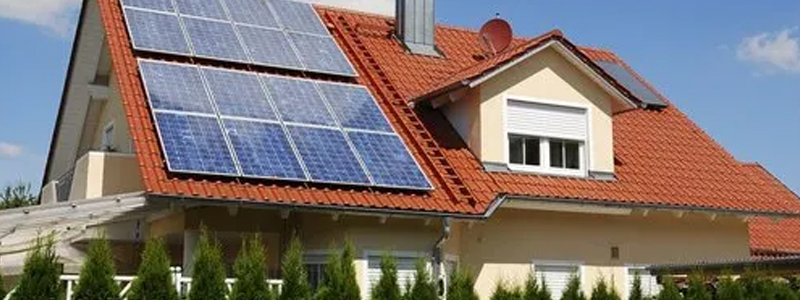
Common On-Grid Solar System Capacities:
- Residential Systems (Small-scale):
1 kW to 3 kW: Ideal for small households.
3 kW to 5 kW: Suitable for medium-sized homes.
5 kW to 10 kW: For larger homes with higher energy demands.
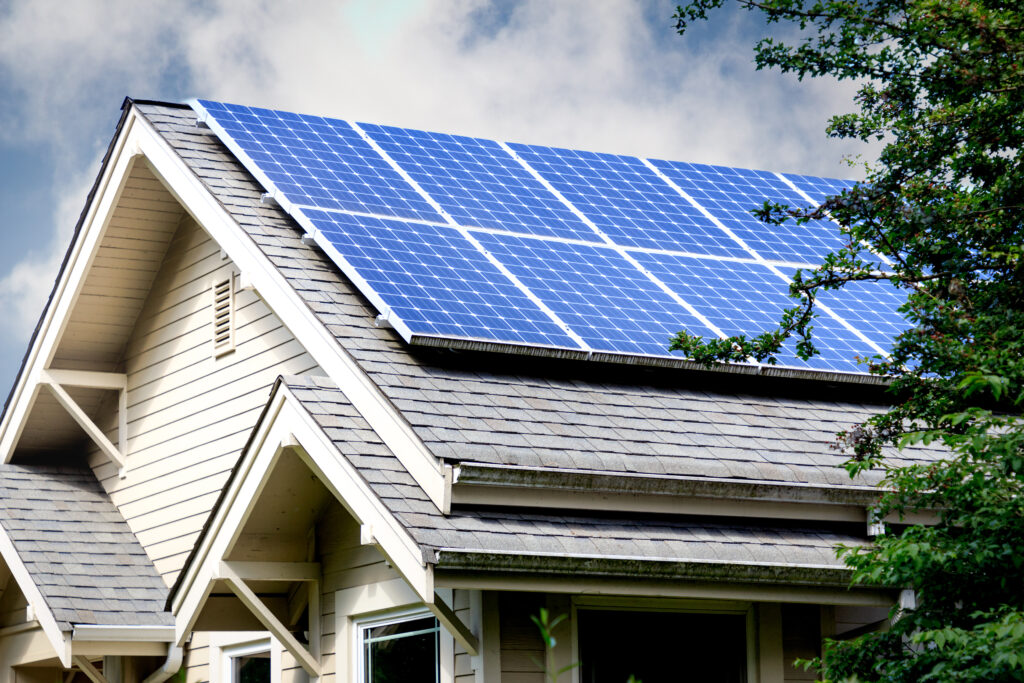
2. Commercial Systems (Medium-scale):
10 kW to 30 kW: Designed for small businesses.
30 kW to 100 kW: For larger commercial establishments.
3. Industrial Systems (Large-scale):
100 kW to 500 kW: Common for large industrial operations.
500 kW to 1 MW (Megawatt): Suitable for large industrial complexes.
1 MW to 5 MW and above: These systems are designed for utility-scale solar farms.
FREQUENTLY ASKED QUESTIONS
The On-grid Solar System converts sunlight into electricity through Photovoltaic (PV) Cells. The electricity generated is then sent to an inverter, which converts the Direct Current (DC) electricity into Alternating Current (AC), which can be used by appliances in your home.
There are several benefits of using Solar Panels, such as there is no requirement of batteries, it is renewable and reduces your carbon footprint, it cannot meet your energy demand, it reduces electricity bill and consumes the solar power generated during the day.
On-grid solar systems do not work during power outages unless you have a special inverter or battery backup system. This is a safety feature designed to protect utility workers who might be working on restoring the grid. With a hybrid system, you can have backup power during outages.
The amount of energy an On-grid Solar System generates depends on several factors, including the size of the system (number of panels), the location, time of year, and weather conditions. Typically, a 5kW solar system can generate around 6,000 to 7,000 kWh annually.
Net Metering is a Billing Mechanism that allows you to receive credit for the excess electricity your solar system sends back to the grid. When your solar system generates more electricity than you use, the excess is fed into the grid, and you get credits from the utility company.
The cost of an on-grid solar system depends on various factors such as system size, location, and installation complexity. On average, it ranges between ₹40,000 to ₹60,000 per kilowatt (kW) for 3kW to 5kW systems. Costs may decrease with advancements in solar technology.
On-grid solar systems require minimal maintenance. It includes regular cleaning of the solar panels to remove dirt or debris, checking the inverter periodically to ensure it is working properly, ensuring that the system’s components are not obstructed by shading.
On-grid Solar Systems are designed to last around 25 to 30 years. Solar panels typically come with a warranty of 20-25 years, but they continue to generate power after that, though at a slightly reduced efficiency. However, its longevity varies depending on several factors.
An On-grid Solar System can be installed on residential homes, commercial properties, and industrial buildings, as long as they have enough roof space and the structure can support the panels. It is also essential to check if your location is suitable for solar generation.
Many governments offer financial incentives, tax credits, and rebates to encourage the installation of solar systems. These can significantly reduce the upfront cost of installing a solar power system. The availability of such incentives depends on your country, state, or local area.