
Join the Solar Revolution with Solar Bliss
Residential Solar Solutions
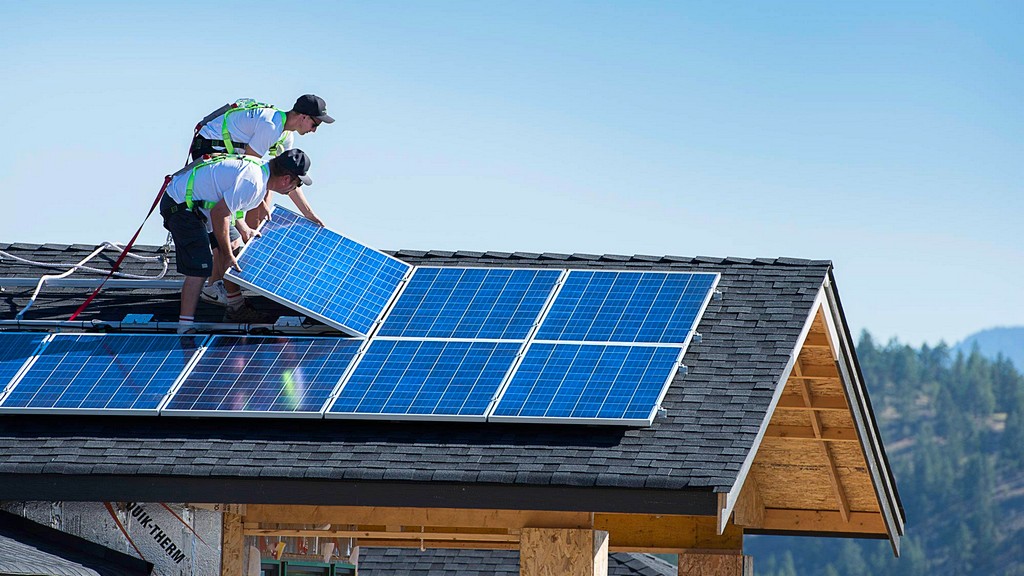
Solar Bliss provides customized residential solar solutions, allowing you to enjoy long-term savings, greater energy independence, and a lower carbon footprint with tailored installations. Our high-quality solar panels and storage systems are designed to reduce electricity costs while promoting sustainability. You’ll enjoy long-term savings, greater energy independence, and a lower carbon footprint with tailored installations. Trust Solar Bliss to guide you on a seamless journey toward a greener future, combining quality, efficiency, and environmental responsibility for a brighter, more sustainable home.
Commercial Solar Solutions
Solar Bliss provides customized commercial solar solutions designed to meet your business’s energy needs, reducing operational costs and enhancing sustainability through efficient solar panel installations and reliable energy storage systems.

Maintenance & Support
Solar Bliss offers comprehensive maintenance and support services to ensure your solar systems operate efficiently, including regular inspections, monitoring, repairs, and prompt assistance to maximize energy production and longevity.

ON-GRID SOLAR SYSTEMS
An on-grid solar system, also known as a grid-tied solar system, is a solar power setup connected directly to the local electricity grid. It allows households and businesses to generate electricity from solar energy during the day and feed excess energy back to the grid. When solar production is low, electricity can be drawn from the grid.
Components of an On-Grid System:
- Solar Panels: Capture sunlight and convert it into direct current electricity.
- Solar Inverter: Converts DC into alternating current, which is used to power appliances.
- Mounting Structures: Secure the solar panels on rooftops or ground areas.
- Bi-directional Meter: Tracks the amount of electricity sent to and received from the grid.
- Other Solar Accessories: Include wiring, disconnect switches, and safety devices.
Advantages:
- Cost-Effective: It reduces electricity bills significantly without the need for expensive battery storage.
- Reliable Backup: During periods of low solar production, electricity is automatically supplied from the grid.
- Government Incentives: Many regions offer subsidies, tax credits, and net metering policies to encourage solar adoption.
- Low Maintenance: On-grid systems are generally easy to maintain with minimal upkeep needed for long-term use.
Common On-Grid Solar System Capacities:
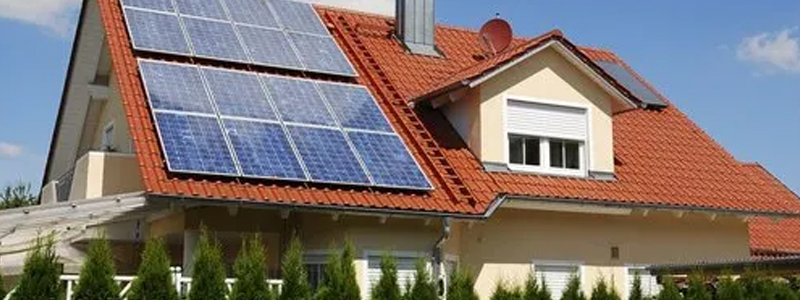
1. Residential Systems (Small-scale):
1 kW to 3 kW: Ideal for small households.
3 kW to 5 kW: Suitable for medium-sized homes.
5 kW to 10 kW: For larger homes with higher energy demands.
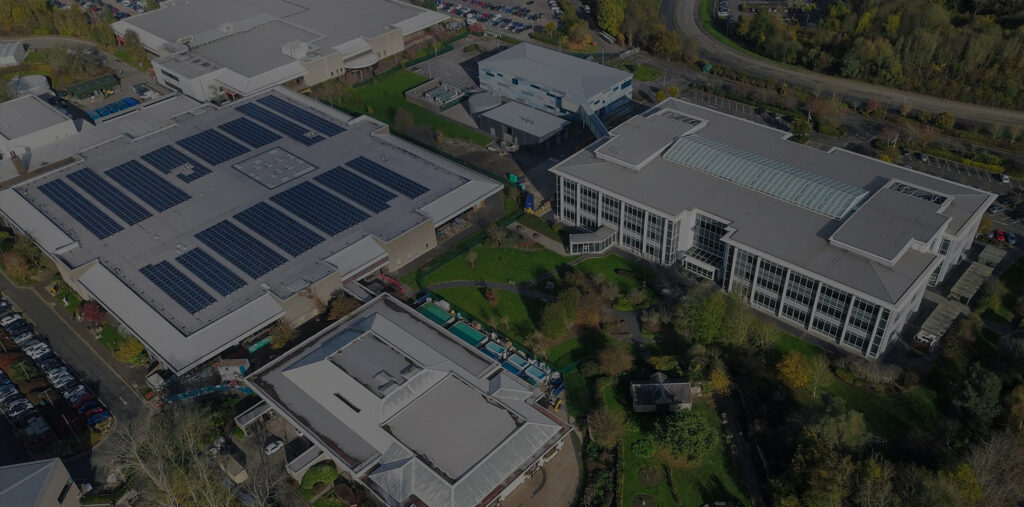
2. Commercial Systems (Medium-scale):
10 kW to 30 kW: Designed for small businesses.
30 kW to 100 kW: For larger commercial establishments.
3. Industrial Systems (Large-scale):
100 kW to 500 kW: Common for large industrial operations.
500 kW to 1 MW (Megawatt): Suitable for large industrial complexes.
1 MW to 5 MW and above: These systems are designed for utility-scale solar farms.
FREQUENTLY ASKED QUESTIONS
The On-grid Solar System converts sunlight into electricity through Photovoltaic (PV) Cells. The electricity generated is then sent to an inverter, which converts the Direct Current (DC) electricity into Alternating Current (AC), which can be used by appliances in your home.
There are several benefits of using Solar Panels, such as there is no requirement of batteries, it is renewable and reduces your carbon footprint, it cannot meet your energy demand, it reduces electricity bill and consumes the solar power generated during the day.
On-grid solar systems do not work during power outages unless you have a special inverter or battery backup system. This is a safety feature designed to protect utility workers who might be working on restoring the grid. With a hybrid system, you can have backup power during outages.
The amount of energy an On-grid Solar System generates depends on several factors, including the size of the system (number of panels), the location, time of year, and weather conditions. Typically, a 5kW solar system can generate around 6,000 to 7,000 kWh annually.
Net Metering is a Billing Mechanism that allows you to receive credit for the excess electricity your solar system sends back to the grid. When your solar system generates more electricity than you use, the excess is fed into the grid, and you get credits from the utility company.
The cost of an on-grid solar system depends on various factors such as system size, location, and installation complexity. On average, it ranges between ₹40,000 to ₹60,000 per kilowatt (kW) for 3kW to 5kW systems. Costs may decrease with advancements in solar technology.
On-grid solar systems require minimal maintenance. It includes regular cleaning of the solar panels to remove dirt or debris, checking the inverter periodically to ensure it is working properly, ensuring that the system’s components are not obstructed by shading.
On-grid Solar Systems are designed to last around 25 to 30 years. Solar panels typically come with a warranty of 20-25 years, but they continue to generate power after that, though at a slightly reduced efficiency. However, its longevity varies depending on several factors.
An On-grid Solar System can be installed on residential homes, commercial properties, and industrial buildings, as long as they have enough roof space and the structure can support the panels. It is also essential to check if your location is suitable for solar generation.
Many governments offer financial incentives, tax credits, and rebates to encourage the installation of solar systems. These can significantly reduce the upfront cost of installing a solar power system. The availability of such incentives depends on your country, state, or local area.
OFF-GRID SOLAR SYSTEMS
An off-grid solar system, also known as a standalone solar system, is an independent solar power setup that is not connected to the electricity grid. It allows users to generate and store their own electricity using solar panels and battery storage, making it ideal for areas with unreliable or no access to the grid.
Components of an Off-Grid Solar System:
- Solar Panels: Capture sunlight and convert it into electricity.
- Solar Inverter: Converts the DC electricity into AC to power devices.
- Batteries: Store excess electricity for later use.
- Charge Controller: Protects the batteries from overcharging or discharging.
- Mounting Structures: Support the solar panels on rooftops or the ground.
- Other Accessories: Include wiring, disconnect switches, and safety components.
Advantages of Off-Grid Solar Systems:
- Complete Energy Independence: Users are not affected by grid failures, power cuts, or fluctuations.
- Ideal for Remote Areas: Provides electricity in areas with no or unreliable grid connections, such as rural regions or isolated locations.
- Customizable: Can be designed according to specific energy needs by adjusting the size of the solar array and battery bank.
- Sustainable Power: Reduces carbon footprint by relying on renewable solar energy.
Common Off-Grid Solar System Capacities:
- Small Off-Grid Systems (For Basic Needs)
1 kW to 2 kW: Ideal for small homes or cabins.
- Medium Off-Grid Systems (For Larger Homes or Moderate Power Needs)
2 kW to 5 kW: Suitable for larger homes.
- Large Off-Grid Systems (For High Power Consumption)
5 kW to 10 kW: Ideal for larger homes or small businesses.
- Commercial Off-Grid Systems (For Small to Medium Businesses)
10 kW to 50 kW: Suitable for small businesses, shops, or large homes.
- Industrial Off-Grid Systems (For Large Businesses or Industrial)
50 kW to 100 kW: Designed for larger commercial and industrial establishments.
- Utility-Scale Off-Grid Systems (For Large Projects or Villages)
100 kW and Above: Used for utility-scale projects.
FREQUENTLY ASKED QUESTIONS
This system works by capturing sunlight through solar panels, which convert the sun’s energy into electricity. This electricity is stored in batteries for later use when the sun is not shining. An inverter then converts the stored DC power from the batteries into AC power to run household appliances.
There are several components used in designing an Off-grid Solar System, such as Solar Panels (converts sunlight into electricity), Batteries (stores the electricity), Inverter (converts DC electricity into AC electricity), Charge Controller (regulates the charging of batteries) etc.
The lifespan of solar panels is typically 25-30 years, while batteries can last anywhere from 5 to 15 years depending on the type of battery and other components. Routine maintenance and proper system sizing can help extend the lifespan of the entire solar system.
The energy output depends on the size of the solar system, the number of panels, and the amount of sunlight the location receives. Off-grid systems can be designed to meet a household’s energy needs by calculating power consumption and matching it with system capacity.
The cost of an off-grid solar system can vary widely based on the system size, battery capacity, installation fees, and location. On average, a small off-grid solar system can cost anywhere from ₹50,000 to ₹1,00,000 for 1-2 kW system, ₹3,00,000 to ₹6,00,000 for 6-10 kW system etc.
Regular maintenance involves cleaning the solar panels to ensure maximum sunlight absorption, checking the battery’s charge levels, inspecting wiring, and ensuring the inverter is functioning properly. Some batteries need to be checked for fluid levels and charged correctly.
A backup generator is optional but can be useful if you experience prolonged periods of bad weather, or if your solar system isn’t large enough to meet your energy needs. The generator can provide additional power when solar energy and batteries are insufficient.
While solar panels are less efficient in cloudy or rainy conditions, they can still generate power. Off-grid systems are uniquely designed with battery storage to ensure that energy needs are met even on cloudy or rainy days, as long as the system is sized appropriately.
Yes, it is possible to expand an Off-grid Solar System by adding more solar panels or batteries as your energy needs increase. However, this Off-grid Solar System expansion should be designed and planned carefully to ensure compatibility with the existing setup.
An Off-grid Solar System can be upgraded to a grid-connected system if the local utility allows it. This requires some modifications and considerations. On the other hand, it involves adding an inverter capable of feeding power into the grid, and more costs and permissions.